
August 25, 2025
Saline Lock vs. Heparin Lock (Heplock)
The maintenance of intravenous (IV) catheters, both peripheral and central, is essential to ensure safe and reliable access for fluid administration,
Read More →For Informational Purposes Only
The articles below are provided for general educational purposes only and are not a substitute for professional medical advice. Please read our full medical disclaimer before relying on any information found here.
The maintenance of intravenous (IV) catheters, both peripheral and central, is essential to ensure safe and reliable access for fluid administration,
Read More →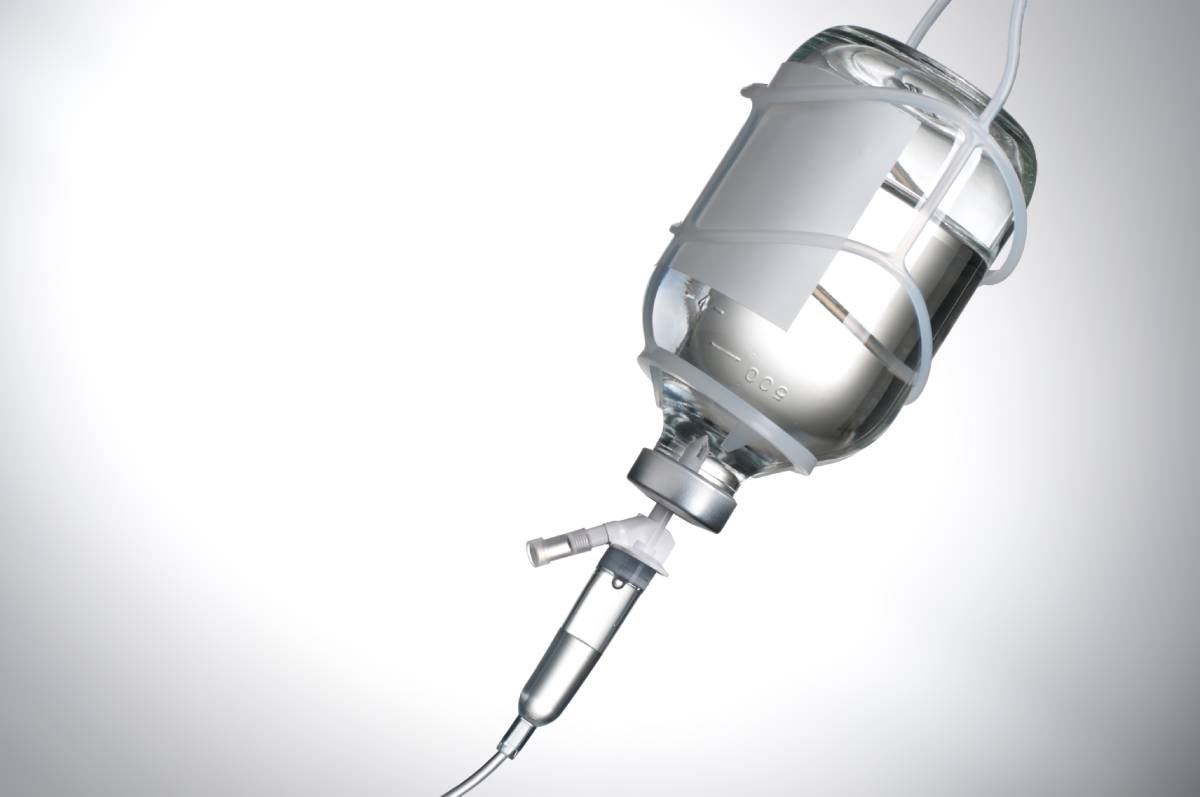
Target-controlled infusion aims to infuse IV drugs to a set concentration that is specific to a patient’s physiology. Generally, IV drugs are given ac
Read More →
Catheter migration is a well-recognized complication in regional anesthesia that can compromise both the safety and effectiveness of pain management.
Read More →
Aprepitant is an antiemetic medication that reduces nausea and vomiting. It can be administered orally or intravenously; the intravenous formulation i
Read More →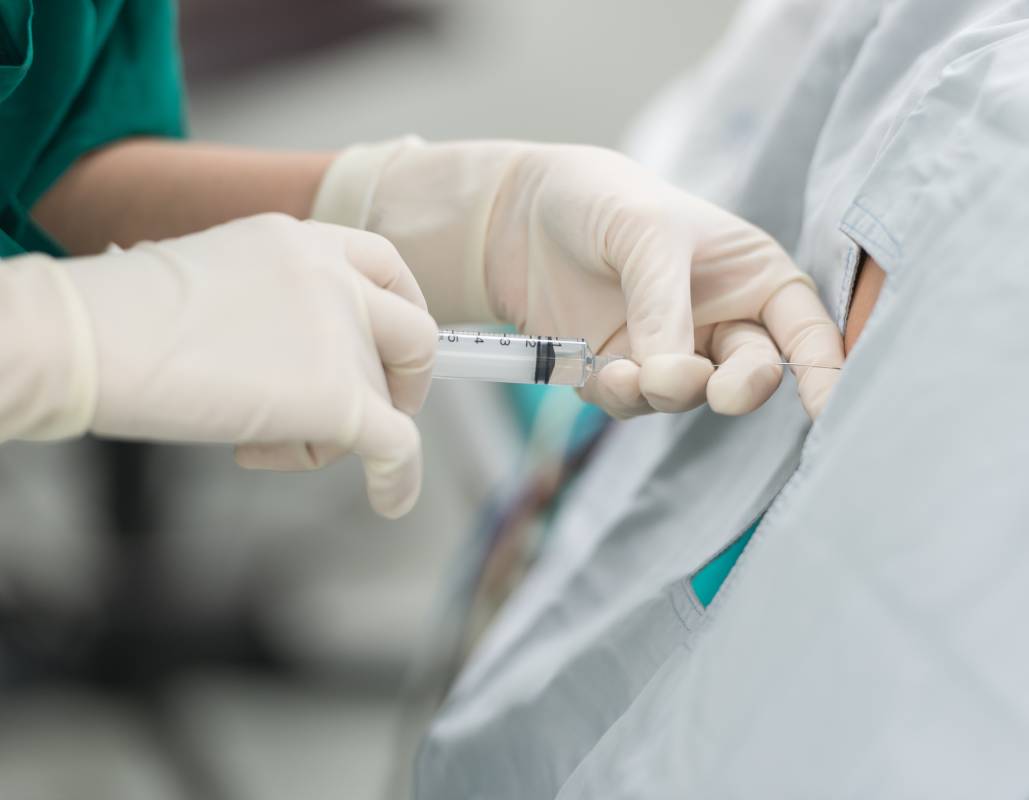
Neuraxial anesthesia, which includes spinal and epidural anesthesia, is commonly used to block pain in the lower body during labor, surgery, and certa
Read More →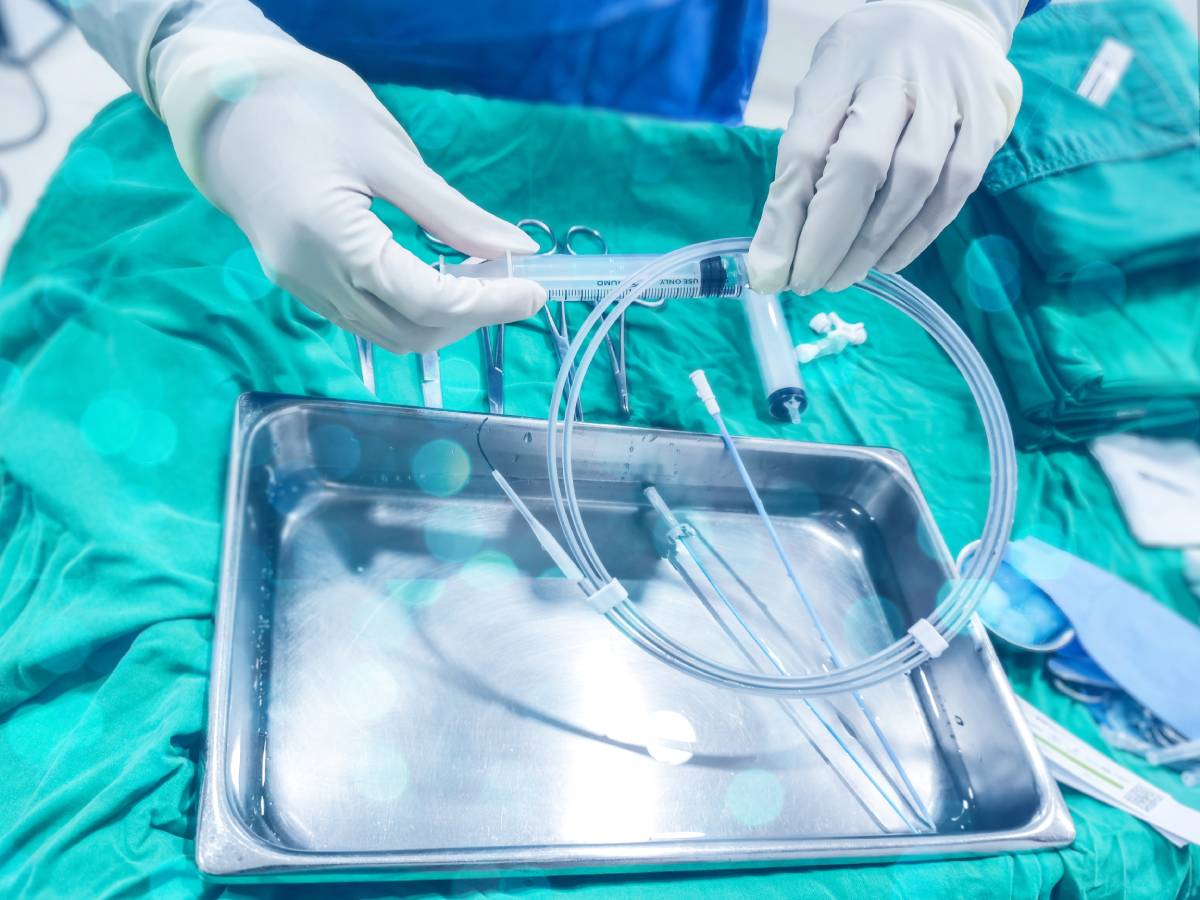
Catheters are commonly used in regional anesthesia to provide continuous pain relief in both perioperative and postoperative settings. The longevity o
Read More →
Promethazine is a versatile medication with antihistamine, sedative, and antiemetic properties. It acts as an antagonist at multiple receptor sites, i
Read More →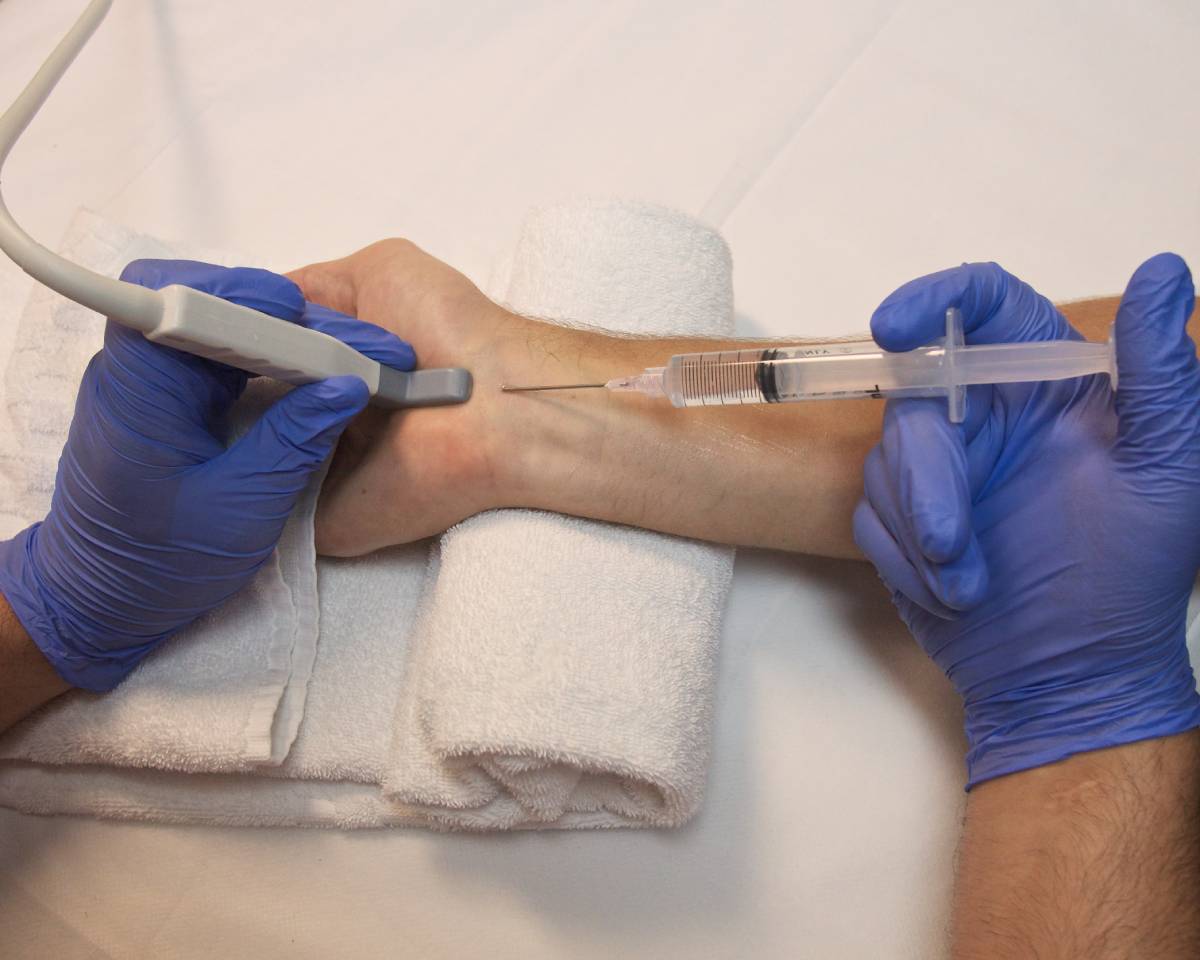
Long-term neurological conditions following nerve blocks due to injury during the procedure are an important topic for anesthesiologists and pain spec
Read More →
Nitrous oxide (N₂O) is widely used in healthcare for its analgesic and anesthetic properties. Although its therapeutic value is well-established, nitr
Read More →