January 06, 2020
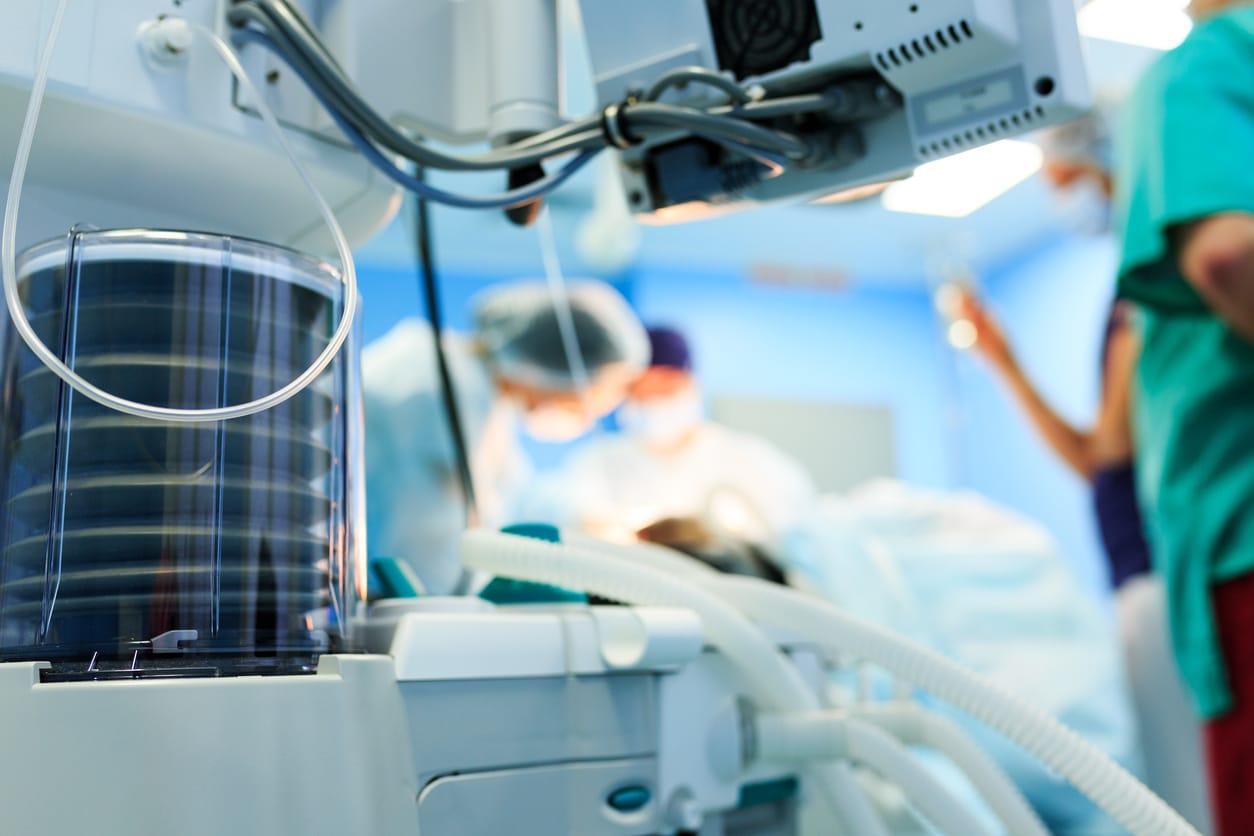
An Engineer’s Perspective on Anesthesia Machines
Anesthesia machines are a complex array of mechanical, electrical, and digital components. The safety of anesthesia administration relies on both the
Read More →For Informational Purposes Only
The articles below are provided for general educational purposes only and are not a substitute for professional medical advice. Please read our full medical disclaimer before relying on any information found here.
Anesthesia machines are a complex array of mechanical, electrical, and digital components. The safety of anesthesia administration relies on both the
Read More →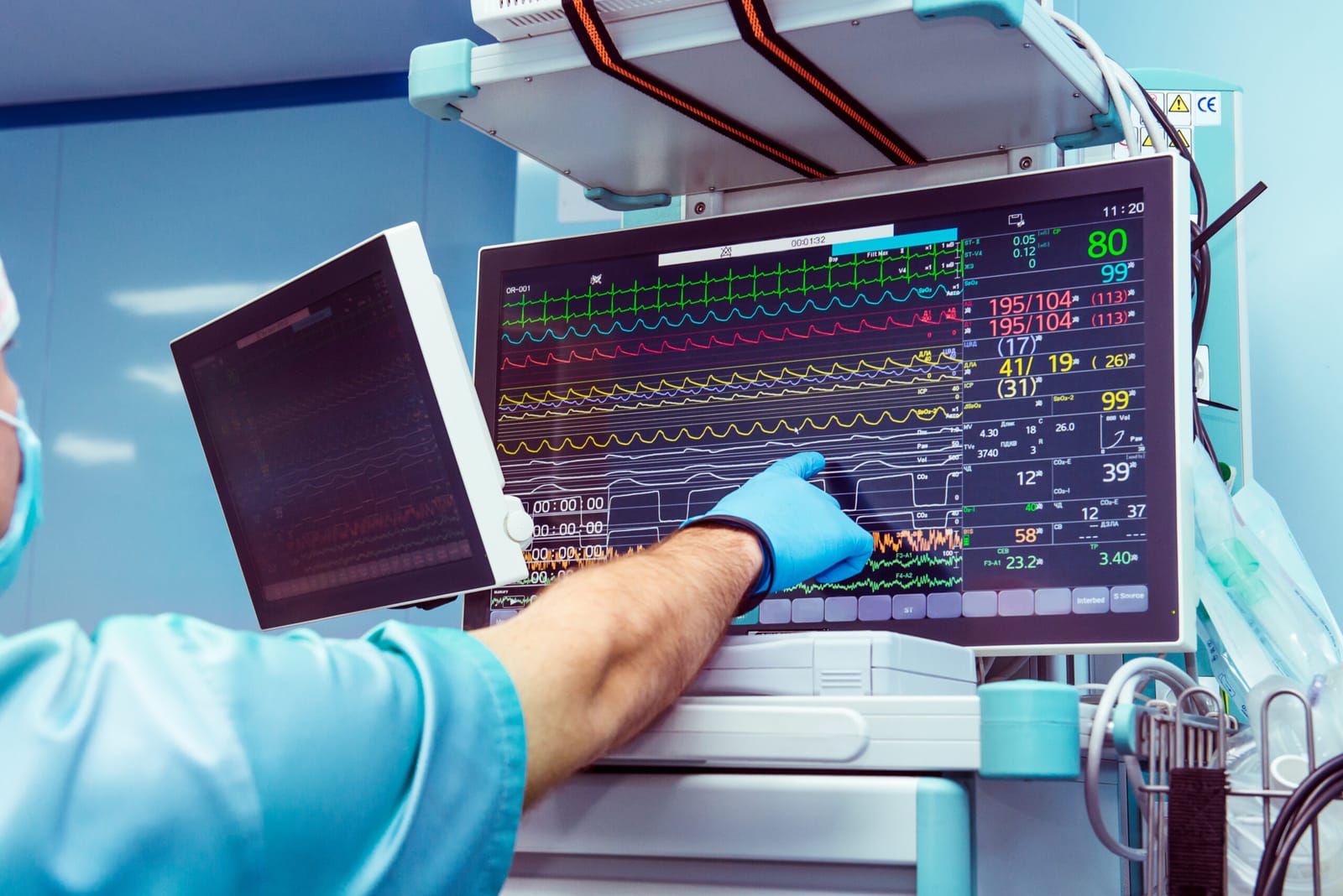
Ketamine is a well-known drug used to induce anesthesia and reduce pain in humans and animals.1 People also use ketamine recreationally, because at hi
Read More →
The term “locum tenens” comes from Latin, meaning to “hold one’s place.” Traditionally, locum tenens doctors were hired on a temporary basis to fill i
Read More →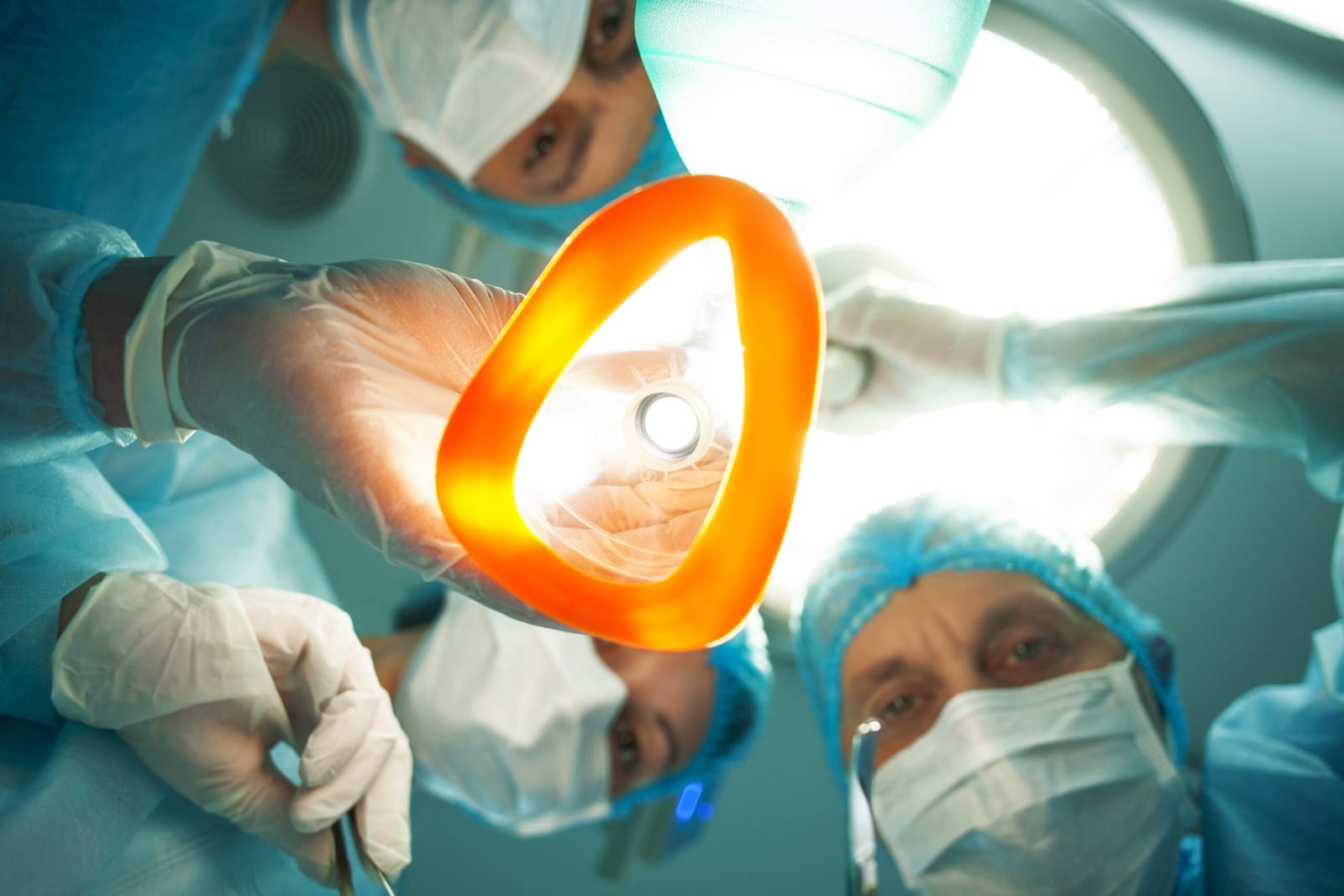
In 2017, 86.3 percent of adults in the United States reported that they drank alcohol at some point in their lifetimes. In some cases, adults may deve
Read More →
Preoperative assessment and preparation are vital to successful anesthesia administration, reduced intraoperative complications and rapid postoperativ
Read More →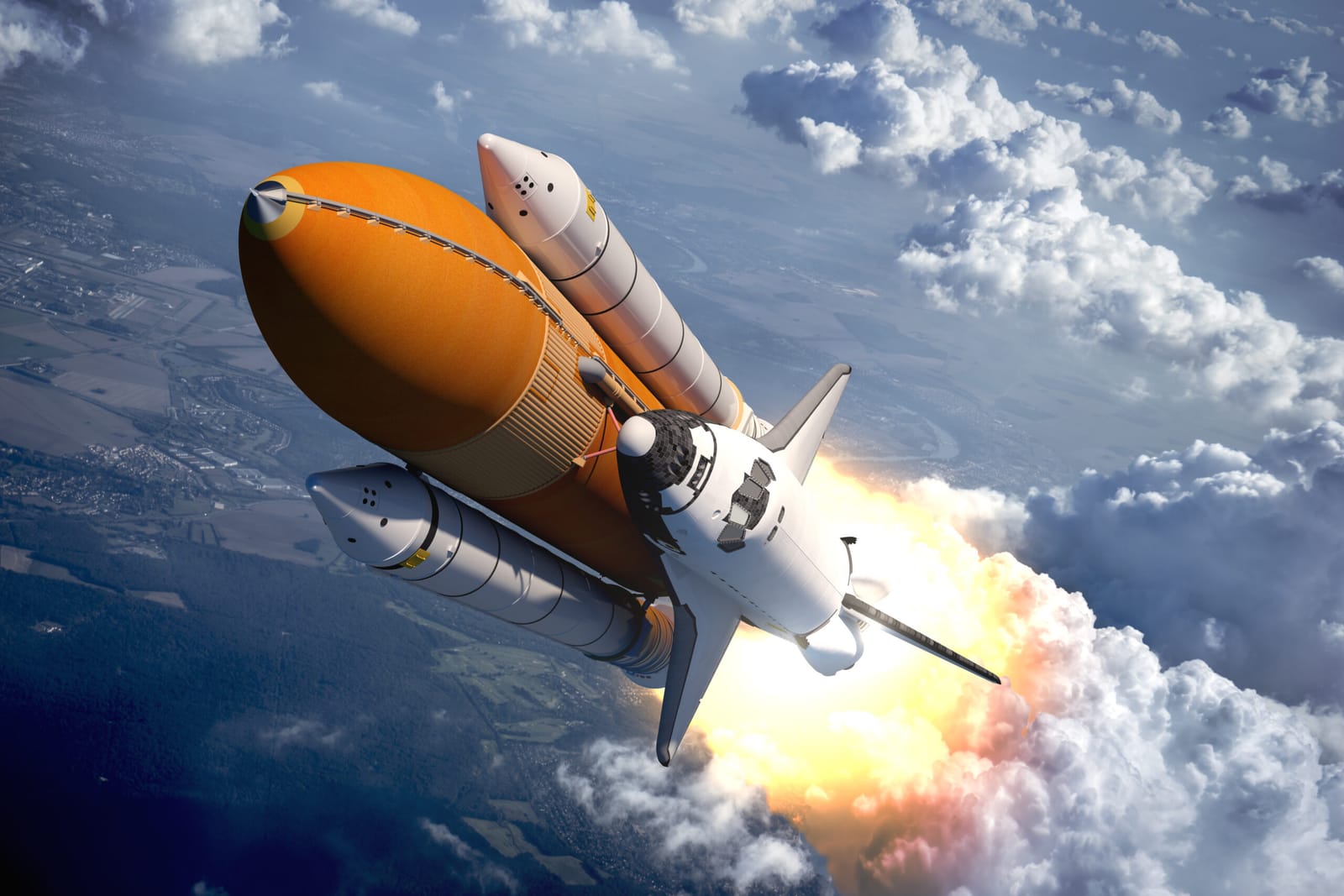
In the future, if humans embark on more prolonged journeys into space, the crews manning the ships will need to be fully autonomous in caring for them
Read More →
Physician training involves many years of education and work, including a minimum of four years of medical school, three to seven years of residency,
Read More →
General anesthesia medications are split into two main categories, based on route of administration: injectable or inhaled.1 Injectable anesthetics ca
Read More →
The Anesthesia Patient Safety Foundation (APSF) was founded in 1985 as the first of patient safety organizations formed as an expansion of the Safety
Read More →